
Cart and Checkout
How might we simplify the communication of information through checkout to decrease confusion and increase conversion?
Role
Lead Designer
Collaborators
Supply Chain, Customer Service
Outcome
23% Reduction in order tracking call volume
Timeline
6 Months

The Problem
Significant confusion of available options throughout checkout caused customer frustration that led to negative feedback and significant calls to the call centre.
Check out the completeness was low? how low i don’t know
E-commerce doesn’t use personas or user type, our job is to cast the broadest net to capture the most value for our organization.
The Process
Discovery Audit
Audited the current experience and referenced the competitive landscape to identify a design strategy and rolling handoff design cycle. This consisted of three major milestones, including order tracking, email enhancements, and additional features such as guest order tracking and delivery instructions.
Results
Audited the current experience and referenced the competitive landscape to identify a design strategy and rolling handoff design cycle. This consisted of three major milestones, including order tracking, email enhancements, and additional features such as guest order tracking and delivery instructions.
Talk about all the problems we had so that when we get to solutions, we can really lock that in.
Flow analysis
After completing the guided audit, I evaluated the checkout flow to identify contingencies based on cart value, custom rules, etc.
With B2B, customixzation is extremely important and covering all the bases is a must.
The Solution
The Solution
After completing discovery, planning, research, and user testing, I created a solution that incorporated learnings about various backend infrastructures, various codes received from carriers, and what customers expect from shipping and handling when making online purchases.
Key enhancements:
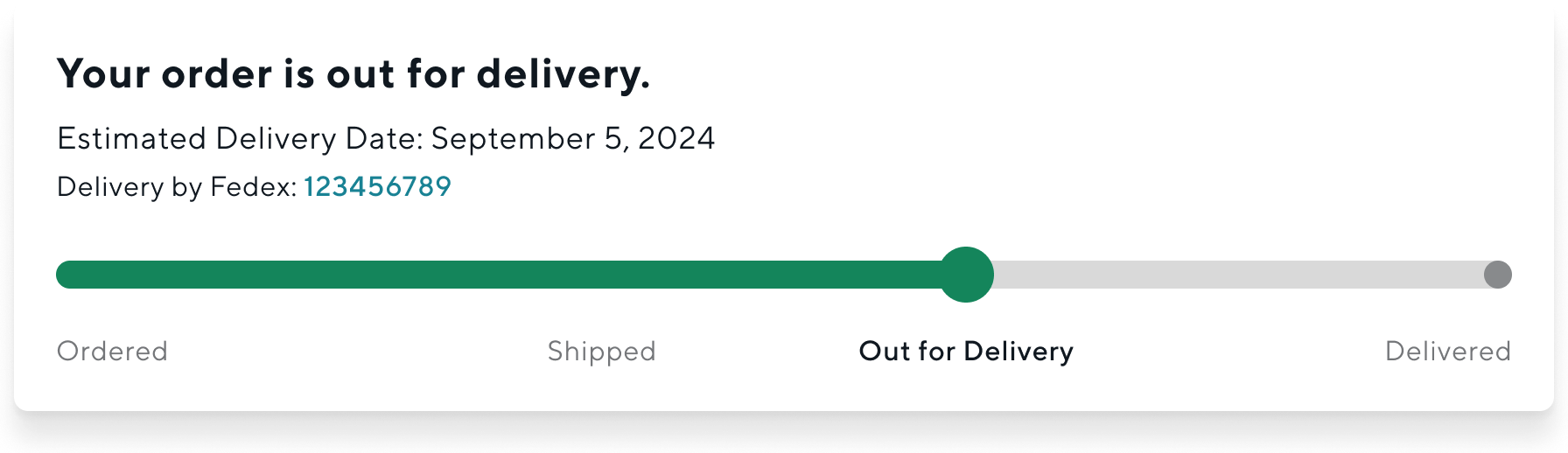
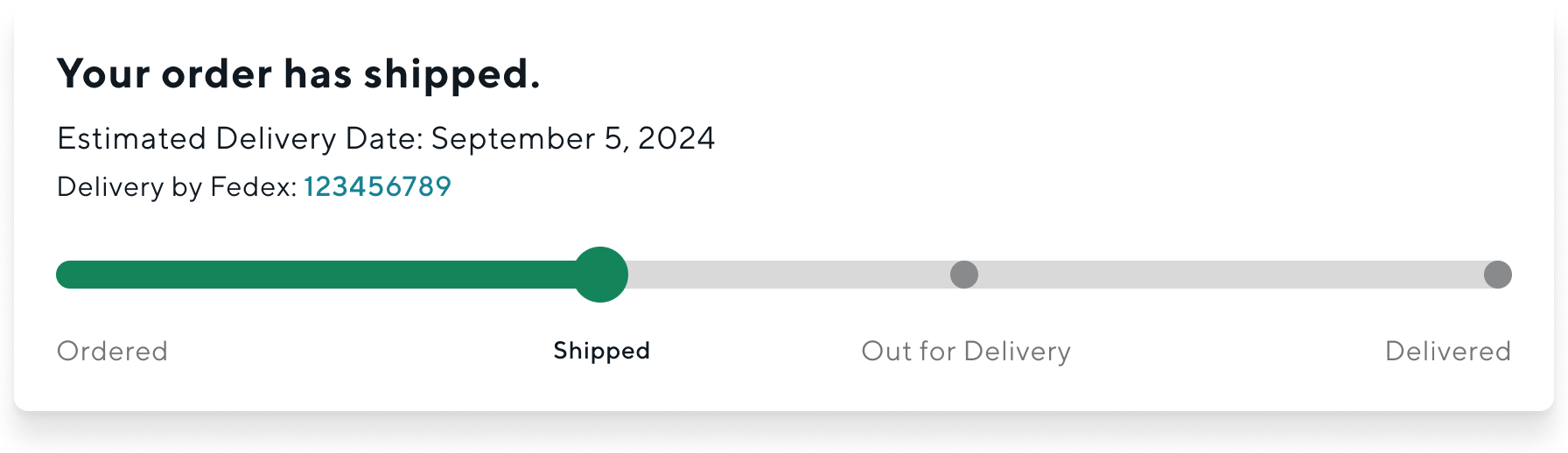
Visual indicator to help with the progression of the order.
Rewritten statuses that follow industry standards and added context when needed.
Reorganized the hierarchy to help with discoverability, scannability and managing reading patterns.
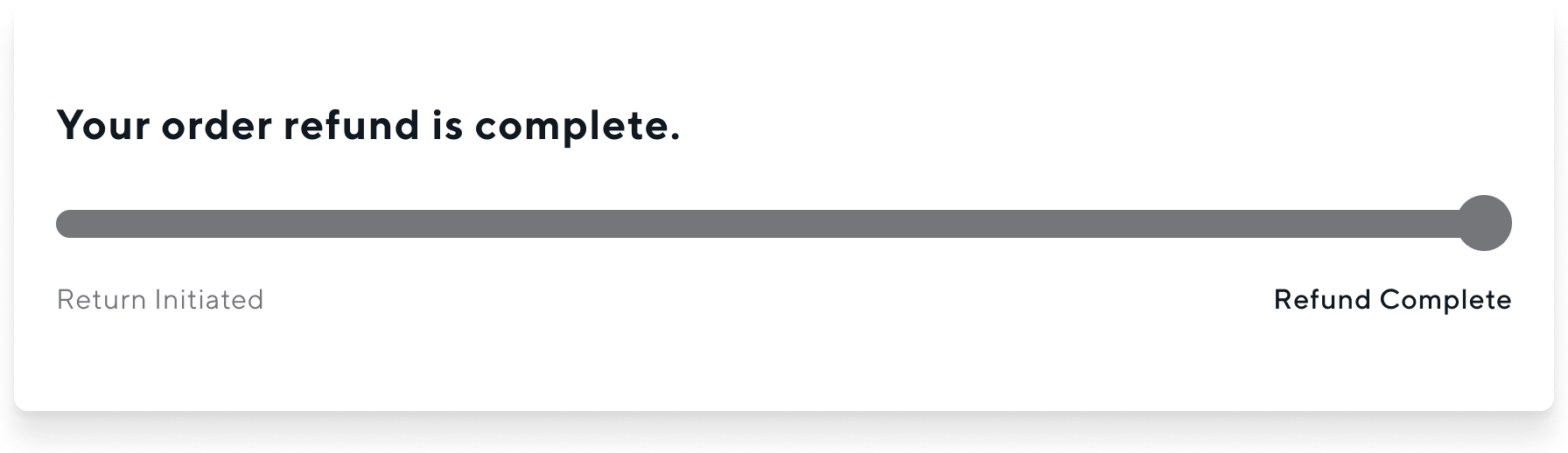
Designed for error scenarios such as delays, cancellations and fraud, as well as the introduction of returns tracking.
Visual Progress
Introduced visual indicators to help with scanning and information consumption.
Reorganized the content to help with readability and create a more robust system of information.
Contextual tooltips for deeper status learning.



Communicate the bad
Through user interviews, customers expect to be overcommunicated with ,and that means telling them what’s
going wrong.


Shipment Enhancment
Designed for multiple shipment scenarios, as Staples is limited to order-based accounting.
New product list item hierarchy to help with scanning, button semantics and contextual labelling.


Email Enhancements
Created a visual hierarchy to help customers read the most important content first.
Introduced linking to allow continuation of the journey from email to website.
Collaborated on the subject line to ensure emails didn’t get seen as spam.

tHE iMPACT
Call volume reduction
23%
Total reduction in calls
20,000+
In total costs savings
$70,000+
What Went Wrong?
Although the numbers tell a different story, the rollout had many issues. After launch, the vendor codes were not feeding into our front-end properly, causing customer-facing statuses to be incorrect. Most of our customer tracking journeys were stuck at “Shipped”.
Alongside the problems above, the email enhancements and returns experience were deprioritized until Q2 2025, creating a large gap in the communication of order statuses.

What Saved Us!
We were able to provide customers with direct links to our vendors, which allowed us to keep them informed, although not through our own site.
Final Thoughts
This project was one of the most fun and fulfilling projects I have worked on. Being able to help define the roadmap, as well as having great product partners, made the process smooth. Although the design solution was a fairly simple lift, doing the backend discovery and the interviews helped me get a better understanding of what we could and couldn’t do and how we might be able to achieve things from a system perspective. Looking back, I most likely could have trimmed a lot of time by not diving too deep into the backend, as all of the discovery was not necessary.
As of today, I would try to implement AI within the workflow to help speed up research summarizing, secondary research, and design iterations.